Portrait Photography: Unleash Your Creative Vision
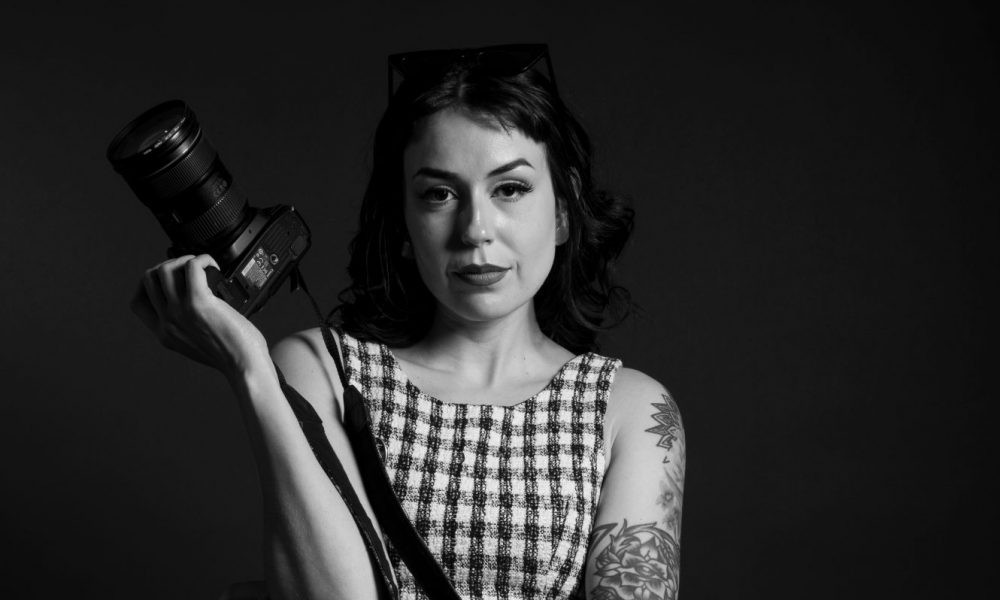

This comprehensive guide opens the door to the multifaceted world of portraiture. This art form is dedicated to capturing the essence, personality, and character of individuals. It achieves this through deliberate composition, lighting, and a distinct artistic vision.
Representing one of the most enduring and versatile forms of visual art, portraiture spans from formal studio sittings to candid, documentary-style captures. These images reveal authentic human moments and emotions.
The craft of capturing subjects has evolved dramatically. It has transformed from lengthy, formal sessions to dynamic, creative expressions that reflect contemporary culture. Understanding the fundamental principles and diverse approaches within this field is essential for creating compelling imagery.
Whether you are an aspiring image-maker or an experienced practitioner, this exploration will help refine your skills. We will navigate historical foundations, technical fundamentals, and stylistic variations.
From traditional studio setups to environmental portraits in natural settings, the diverse approaches offer endless opportunities. This guide provides practical insights and artistic perspectives to empower your unique vision.
Key Takeaways
- Portraiture is a versatile art form focused on capturing a subject’s essence and character.
- The craft has evolved from formal historical sittings to dynamic, contemporary expressions.
- Mastering fundamental principles like composition and lighting is crucial for success.
- Styles range from controlled studio work to candid, environmental captures.
- This guide provides a comprehensive foundation for both new and experienced practitioners.
- Understanding different approaches unlocks greater creative possibilities.
- Developing a unique artistic vision is the ultimate goal for any portrait photographer.
Introduction and Overview
More than a simple record, this art form aims to convey personality and emotion in a single frame. This type of work focuses on people. It uses effective lighting, considered backdrops, and deliberate poses.
A portrait photograph can range from highly artistic to clinically precise. Its versatility is a key strength. The images serve as personal keepsakes or professional tools.
Clients often commission these works for special occasions. Weddings, graduations, and corporate needs are common drivers. The practise has changed significantly over time. It moved from formal sessions to dynamic, creative captures.
| Primary Purpose | Common Setting | Typical Output |
|---|---|---|
| Personal Keepsake | Family home, outdoor location | Albums, wall prints, digital photos |
| Professional Branding | Studio, office environment | LinkedIn profile, corporate headshots |
| Commercial Advertising | Controlled set or relevant location | Marketing campaigns, website banners |
| Editorial Storytelling | Environmental or documentary setting | Magazine features, news articles |
| Fine Art Display | Gallery, exhibition space | Limited edition prints, installations |
This adaptability shows the genre’s wide reach. Pictures can end up on a personal website or in a business lobby. Understanding this framework is essential. It guides the artistic approach beyond rigid rules.
This overview opens the multifaceted world of portrait creation. It sets the stage for exploring its rich history and techniques.
The Evolution and History of Portraiture
Historically, creating a likeness was a privilege of the elite, but a 19th-century invention changed everything. The daguerreotype process revolutionised how people could be recorded, making personal imagery accessible beyond the wealthy.
Historical Milestones in Photography
In the mid-1800s, this new medium quickly surpassed painted portraiture in popularity. Its relative affordability and reduced sitting time were key factors, though exposures still lasted minutes. Subjects typically adopted solemn expressions, reflecting both cultural norms and the need for stillness.
Technical constraints shaped the aesthetic. They used soft window light and plain backdrops. One creative solution, ‘hidden mother’ imagery, saw mothers draped in fabric to steady children during long exposures.
Evolution of Techniques and Cultural Shifts
Advances in chemistry and camera design progressively shortened exposure times. This allowed practitioners to capture more spontaneous moments and work in diverse environments. The art form began to reflect a more relaxed, modern sensibility.
Throughout the 20th century, cultural shifts further transformed the practice. It moved from formal compositions to expressive works that mirrored changing social attitudes. This historical journey offers crucial context for today’s creative decisions.
Fundamentals of Portrait Photography: Tips from Red Square Imaging Uk
The journey to creating impactful imagery begins with a solid grasp of fundamental concepts. Red Square Imaging Uk highlights that mastering a few core pillars transforms casual snaps into compelling work.
Key Concepts and Definitions
Successful captures rest on several key ideas. Understanding the qualitative aspects of illumination and its direction is paramount. This knowledge shapes the mood and dimension of every frame.
Composition extends far beyond basic framing. It involves deliberate choices about perspective, background selection, and the use of negative space. Establishing a genuine rapport with subjects is equally crucial for authentic results.
Technical decisions, like aperture and shutter speed, must support the creative vision. Mastering these elements allows for consistent, high-quality outcomes.
Understanding the Role of Light and Composition
Light serves as the primary building block for any capture. Its intensity and colour temperature dramatically influence the emotional impact. For example, using a reflector to fill shadows is a practical application of controlling illumination.
Composition actively guides the viewer’s eye through an image. Using leading lines and careful positioning creates visual balance. The interplay between light and shadow adds essential depth and character.
Focus remains a critical technical consideration. Sharp focus on the eyes, often described as the window to the soul, is typically prioritised. Depth of field choices then isolate the subject or skilfully integrate the environment.
Mastering Lighting Techniques for Captivating Portraits
Illumination is the sculptor’s chisel in the visual arts, defining form and emotion with every beam. Controlling this element shapes how a viewer perceives the subject and feels about the final image. This mastery involves both structured studio setups and the elegant simplicity of found light.
Three-Point Lighting Explained
Three-point lighting is a foundational studio technique. It employs a key light, a fill light, and a back light. Together, they create a dimensional and professional look.
The key light is the main source, placed to one side. The fill light softens shadows on the opposite side. Finally, the back light separates the person from the background, adding depth.
Natural Windowlight Portraiture
For a classic and accessible approach, natural light from a window is unparalleled. It offers soft, directional illumination that flatters the subject. A simple reflector can be used to bounce light into shadow areas.
Pay attention to the time of day for the best results. The most intense and beautiful natural light often occurs during the early morning or late afternoon hours.
Understanding these techniques provides a versatile toolkit. For example, one can use dramatic studio lighting for high-contrast portraits or soft window lighting for a gentle, intimate feel. Each method solves different creative challenges.
Essential Lenses and Equipment for Portraiture
A photographer’s kit, particularly their choice of lens, acts as the primary interpreter of their artistic intent. The right tools empower the creator to achieve specific visual effects reliably.
Choosing the Right Lens
For classic head-and-shoulders compositions, a moderate telephoto lens is often preferred. On a full-frame camera, a focal length between 75mm and 135mm provides flattering perspective compression.
Fast lenses with wide maximum apertures, like f/1.8, are strongly favoured. They allow for a shallow depth of field. This isolates the subject in sharp focus while creating soft background blur.
The template for this approach was set by Joseph Petzval’s 1840 design. For larger medium format cameras, longer lenses from 150mm to 400mm achieve a similar angle of view.
Excellent results need not be expensive. A budget 50mm lens on a cropped-sensor camera yields an effective 80mm focal length. This sits perfectly within the ideal range for flattering portraits.
Camera Settings and Essential Accessories
Camera settings for this genre typically emphasise depth of field control. Many practitioners use Aperture Priority mode, selecting an aperture between f/1.8 and f/5.6.
Essential accessories extend the creative toolkit. A reflector manipulates natural light. An external flash and modifiers like softboxes are key for studio work. A tripod ensures stability.
Exploring Diverse Portrait Styles: Traditional, Documentary, and Fine Art
The field is broadly categorised into several key approaches, defined by their relationship to the subject and environment. Four core philosophies guide practitioners: constructionist, environmental, candid, and creative. Each offers a distinct pathway for visual storytelling.
Traditional vs Documentary Approaches
Traditional portraiture follows formal rules. It aims to capture a flattering likeness in a controlled studio setting. Poses are deliberate, and the focus is entirely on the individual.
In stark contrast, the documentary approach prioritises authenticity. The photographer acts as an observer, capturing people without direction. This style values genuine moments over composed scenes.
Fine Art and Lifestyle Interpretations
Fine art portraiture transcends simple documentation. It seeks to embody a thought, emotion, or artistic vision. The key question is whether the image holds appeal for viewers who don’t know the subject.
Lifestyle work blends elements of posed and candid styles. It often uses natural settings to suggest a narrative. This type of image feels spontaneous yet considered.
| Style | Primary Goal | Typical Setting | Key Characteristics |
|---|---|---|---|
| Traditional | Accurate, flattering likeness | Controlled studio | Formal pose, controlled lighting, plain backdrop |
| Documentary | Authentic moment | Everyday environment | Unposed, candid, tells a story |
| Fine Art | Conceptual or emotional expression | Varied; often conceptual | Creative manipulation, universal theme |
Choosing a approach is a fundamental creative decision. For example, black white treatment can enhance any style, adding timeless drama. Understanding these options empowers more intentional image-making.
Modern Approaches and Trends in Portrait Photography with insights from Red Square Imaging Uk
Innovation drives modern portraiture, breaking down barriers with technology and fresh perspectives. The art form is no longer confined to studios. It has expanded into the street, the digital realm, and everyday life.
Red Square Imaging Uk observes that mobile portraiture represents one of the most exciting contemporary trends. Projects like the documentary I Am Chicago exemplify this. They used a moving truck as a mobile studio with natural lighting.
Innovations in Mobile Portraiture
This project aimed to break down traditional barriers of access. It brought professional-quality work to diverse communities. The approach champions authenticity and spontaneity.
Smartphone technology has democratised the field. High-quality cameras are now accessible to virtually everyone. A new generation can explore creative portraiture without expensive gear.
Contemporary practitioners like Heather Nigro explore deep themes. Identity and interpersonal connection are central to their editorial work. Portraiture becomes a medium for storytelling and advocacy.
Social media platforms have revolutionised how we share and consume images. Creators must navigate a tension. They balance meaningful art with content optimised for online engagement.
There is a growing emphasis on natural, inclusive representations. Many move away from heavily retouched photos. They celebrate genuine human beauty in all its forms.
| Modern Trend | Primary Driver | Impact on the Art Form |
|---|---|---|
| Mobile & Accessible Studios | Projects like I Am Chicago | Breaks down geographic and economic barriers |
| Smartphone Democratisation | Ubiquitous high-quality cameras | Empowers a new generation of creators |
| Social Media Integration | Platforms like Instagram | Changes creation, sharing, and consumption habits |
| Emerging Technologies | Drones, hybrid video portraits | Offers unique perspectives and new creative types of work |
These trends show a dynamic, evolving world. The photographer today must use diverse tools. They create images that resonate across contexts, from gallery walls to digital feeds in a single day.
Creative Flair in Styled and Surreal Portraiture
Moving beyond traditional captures, some creators specialise in meticulously planned themes or impossible dreamscapes. This style represents the pinnacle of conceptual art and digital fabrication.
Concept and Composites
A styled shoot revolves around a single, strong idea. Photographers plan every detail, from props to outfits, to bring a theme to life.
For example, a session could be based on a favourite book or a seasonal event like Halloween. The subjects become characters in a visual story.
Surreal work takes this further. It starts with an ordinary photo and transforms it into something fantastical. Artists often blend multiple images in software to create impossible scenes.
Achieving Surreal Effects Through Post-Processing
Software like Photoshop is essential here. It allows for seamless blending, colour manipulation, and adding new elements.
Choices like black white processing can create a timeless, dreamlike feel. Alternatively, vivid colours amplify the fantasy. The focus shifts from recording reality to building a new one.
| Type | Primary Goal | Planning Phase | Key Tools | Final Aesthetic |
|---|---|---|---|---|
| Styled | Execute a themed narrative | Extensive (mood boards, prop sourcing) | Props, wardrobe, location | Cohesive, conceptual, often colourful |
| Surreal | Create an impossible reality | Conceptual & technical planning | Digital compositing software | Dreamlike, fantastical, polished |
Both styles demand skills beyond the studio. They require art direction and technical mastery to turn imaginative things into compelling images.
The Impact of Environmental and Editorial Portraits
The surroundings in a portrait can speak as loudly as the subject’s expression. Environmental and editorial styles use context to build deeper narratives. They move beyond the studio to capture authentic stories.
Utilising Natural Settings and Backgrounds
An environmental portrait places a person within a meaningful location. This background reveals their profession, passions, or personality. For example, a chef in their kitchen tells a story of craft.
These photos often use available light. A reflector can fill shadows on a bright day. The image feels genuine and unposed.
Editorial work serves the publishing industry. These portraits accompany news articles or features. Without a model release, they cannot be used for business ads.
Choosing the right settings is crucial. A shallow depth of field softens a busy background. A deeper focus shows important details in the scene.
| Type | Primary Setting | Lighting Approach | Typical Usage |
|---|---|---|---|
| Environmental | Workplace or meaningful locations | Ambient, with modifiers | Professional branding, personal projects |
| Editorial (News) | Relevant event locations | Available light | Newspapers, online articles |
| Editorial (Commercial) | Controlled or location-based | Styled or natural | Magazine features, ad campaigns |
This way of working requires adaptability. Scouting places in advance ensures the best backgrounds. It is a rewarding type of photography that connects people to their world.
Insights from Renowned Portrait Photographers by Red Square Imaging
Legendary image-makers have defined the standards and possibilities of capturing the human face. Red Square Imaging recognises that studying their work provides invaluable lessons in technical skill and artistic vision.
These masters show how the genre has evolved as both a commercial practice and a fine art form.
Learning from the Masters of the Genre
Irving Penn combined technical precision with deep artistry. His portraits for Vogue captured both celebrity glamour and authentic human dignity.
Richard Avedon transformed fashion photography. He proved his artistry applied equally to famous figures and everyday people in projects like In the American West.
Yousuf Karsh used light masterfully to create intense, dramatic images. His iconic portrait of Winston Churchill is a historical landmark.
Dorothea Lange demonstrated the power of portraiture for social documentation. Her ‘Migrant Mother’ remains a powerful example.
Annie Leibovitz creates captivating environmental portraits with masterful lighting and colour. Philippe Halsman broke rules by asking subjects to jump, revealing true personalities.
Learning from these photographers involves understanding core principles. Their attention to light, rapport with subjects, and compositional sense are key.
Their willingness to innovate challenges conventions. Applying these lessons helps develop a distinctive voice in this rich world of image-making.
It also aids in building a sustainable business or artistic practice. One can move from a blank studio backdrop to a signature style.
Peter Lindbergh’s high-contrast black white work emphasised natural beauty. This focus on essence over artifice is a timeless lesson for all portrait photographers.
Specialised Portraits for Events and Personal Branding with Red Square Imaging
From graduation ceremonies to corporate boardrooms, tailored portraits fulfil specific social and commercial functions. This niche work requires a blend of technical skill and interpersonal understanding.
Each type of commission serves a unique purpose for people and organisations.
Event Photography and Senior Portraits
Senior portraits are a cherished tradition, especially in North America. They mark a student’s final school year.
Modern sessions often happen at scenic places or locations important to the person. Students might bring pets or wear sports uniforms.
Event photography covers weddings, conferences, and corporate gatherings. A photographer must work efficiently all day. They produce consistent photos in changing light.
Building a Distinctive Personal Image
Personal branding imagery is vital in the digital age. Professionals need shots that communicate their unique value.
Red Square Imaging notes this business need is growing. A collaborative consultation ensures the final image is authentic and strategic.
These portraits appear on websites, social media, and marketing materials. They help a person stand out in competitive fields.
| Type | Primary Setting | Lighting Approach | Typical Usage |
|---|---|---|---|
| Senior Portraits | Outdoor locations, school, studio | Natural light, styled setups | Graduation announcements, yearbooks, gifts |
| Event Portraits | Venues, dynamic environments | Available light, on-camera flash | Social media, commemorative albums, documentation |
| Personal Branding | Office, professional environment | Controlled or natural light | LinkedIn, company websites, speaker profiles |
Success in this business requires more than good photography. It demands understanding what people need their portrait to achieve.
For example, a corporate headshot has different goals than a creative’s branding session. Mastering these niches builds a sustainable practice.
Conclusion
Ultimately, the power of a great portrait lies in its ability to tell a story that transcends the moment it was taken. This guide has traversed the rich landscape of portrait photography, from its historical roots to contemporary innovations.
Mastering this craft requires a blend of technical skill and artistic vision. Practitioners develop competency across lighting, composition, and building rapport with their subjects.
Success in this type of work depends less on expensive gear and more on understanding fundamental principles. The most memorable images often come from creative risk-taking and authentic human connection.
The digital world presents new challenges and opportunities for photographers. Continuous learning and experimentation help refine one’s unique voice.
At its heart, this practice celebrates the essential humanity of the people before the lens. It is a rewarding way to engage with the world through a creative focus.